Hysterectomy Preparation in Bangalore – What to Expect at Every Stage of Surgery
-
Preparing for a hysterectomy includes several steps. These range from pre-surgery meetings and guidelines to the surgery day and recovery care. Knowing what to expect at each stage can help reduce anxiety and lead to a smoother recovery. Important parts of this process are medical check-ups, changes in lifestyle, and getting your home and support system ready.
Why Proper Preparation Matters Before a Hysterectomy
-
To lower complications before a hysterectomy, focus on improving your overall health through diet, exercise, and managing any existing conditions. Quitting smoking, if needed, and practicing good hygiene are also important.
-
To prepare for a quicker recovery after a hysterectomy, concentrate on enhancing your overall health and fitness before the surgery. This means maintaining a balanced diet, staying active, and managing your weight if necessary. A healthy diet, increased physical activity, and possibly some pelvic floor exercises can support a smoother recovery.
-
It is normal to feel anxious about surgery. Talk about any fears or concerns with your doctor. They can give you reassurance and answer your questions. Fifty percent of women showed noticeable emotional issues before a hysterectomy, and this surgery can trigger a strong mental stress response.
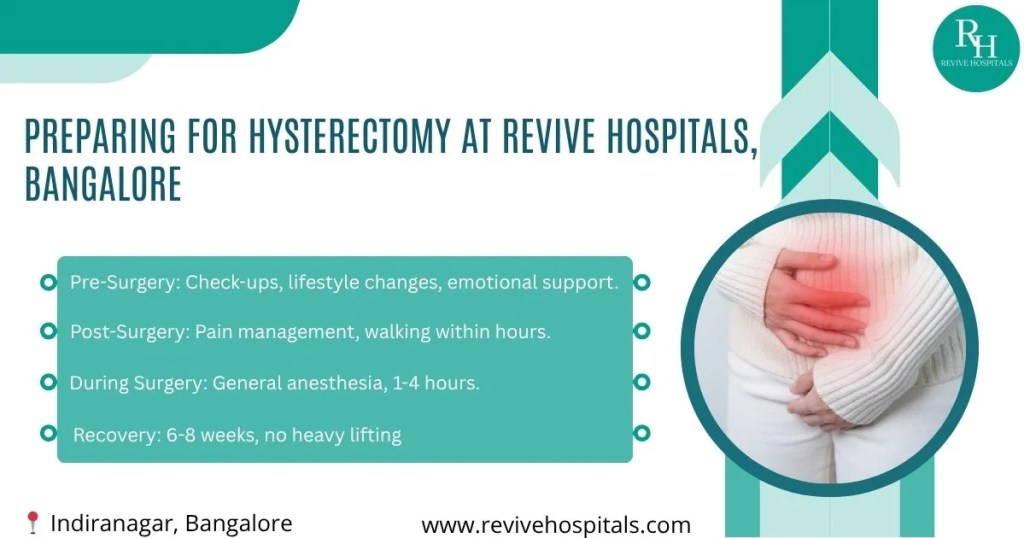
What to Expect Before the Surgery
An evaluation and consultation is a crucial step of the pre-operative process for a hysterectomy to assess the patient’s overall health and help detail potential risks; it can be difficult and challenging for patients when preparing for surgery and recovery.
Many laboratory tests and imaging modalities will be done before your hysterectomy to evaluate your overall health and the specific condition of your uterus and surrounding organs. The tests may help determine the mode of surgery and contraindications during the procedure, as well as possibly prevent complications. There are several standard tests performed before a hysterectomy which include: blood tests, urine tests, Pap tests, endometrial biopsy, pelvic ultrasound, MRI, or CT scan.
Prior to a hysterectomy, patients will be instructed not to continue with certain medications, particularly blood thinners, for several days pre-operatively to reduce the risk of bleeding. Fasting usually occurs where patients cannot eat or drink anything for a set period, often starting the night before surgery at midnight, to decrease the risks of aspiration while under anesthesia.
It is important to provide psychological preparation and counselling before a hysterectomy because the procedure can present emotional and mental health problems.
Before a hysterectomy, it is important to talk to a healthcare provider about fertility, hormonal status, and sexual health because the procedure will impact fertility, can result in hormonal changes, and potentially involve changes in sexual function and satisfaction.
Day of Surgery – What Actually Happens
A hysterectomy surgical admission is generally similar to the admission for any other surgical procedure. On the day of surgery, you generally check in, be prepped for surgery and go through the pre-surgical checklist.
During surgery, anesthesia is usually general anesthesia, which means you will be completely asleep. While general anesthesia is, far and away, the preferred and most common choice; sometimes regional anesthesia (spinal or epidural) with sedation may be used, but that is not common.
In general, a hysterectomy, the surgical removal of the uterus, takes one to four hours, depending on the type of procedure that is conducted, and the circumstances surrounding the individual patient.
After a hysterectomy, you will return to a recovery room for initial post-operative observations. As the anesthesia resolves, your medical team will monitor your blood pressure, pulse and breathing.
After the Surgery – Immediate Recovery and Hospital Stay
The length of hospital stay after a hysterectomy depends on the type of surgery. For stomach hysterectomies, patients generally stay inside the clinic for 1 to a few days. Vaginal and laparoscopic hysterectomies are less invasive and may only need an overnight stay or even discharge on the same day.
After a hysterectomy, managing pain usually involves a mix of prescription and over-the-counter medications, as well as other methods.
Following a hysterectomy, urinary catheters and drains are often used, but how long you need them can differ. A catheter may help drain urine, while drains can manage fluid or blood collection after the surgery.
After a hysterectomy, you can often begin walking and eating within a few hours of the surgery, as soon as you can get out of bed and your doctor gives the go-ahead.
Vaginal hysterectomy
Vaginal hysterectomy is surgery to remove the uterus through the vagina to treat gynaecological problems. Vaginal hysterectomy is a technique in which the uterus is removed surgically through the vagina. One or each ovary and fallopian tubes may be removed at some stage in the technique. If the surgeon removes both the ovaries and fallopian tubes, it is called bilateral salpingo-oophorectomy.
Recovery at Home – First Few Weeks
After a hysterectomy, wound healing and prevention of infection rely largely on good hygiene and wound care. This would involve keeping the wound dry and clean and looking for signs of infection.
For post-hysterectomy, it is recommended to gradually increase physical activity, focusing on low intensity but gradually increasing to the level of tolerance.
Managing your appetite, sleep and bowels following the hysterectomy can be critical for recovery. Keep on a high-fibre diet and drink lots of fluids, in addition you can take mild laxatives or stool softeners, if needed, for bowel regularity.
Hormonal fluctuations and the psychological effects of the surgery often cause emotional changes and mood swings following a hysterectomy.
Returning to Normal Life – What’s Next?
Recovery from a hysterectomy typically takes 6–8 weeks. After surgery, light walking can be resumed two to three weeks later, but vigorous exercise should not be done for six weeks or as directed by a physician. For the first six weeks, walking is advised to prevent blood clots, but heavy lifting should be avoided.
It is generally advised to wait four to six weeks before going back to work following a hysterectomy, though this will vary depending on the type of surgery and your line of work. Jobs requiring more physical activity may take longer to recover from than desk or light-duty jobs, which may allow a return in 2-4 weeks.
In popular, it takes at least four–6 weeks after a hysterectomy to have vaginal penetration once more. Most doctors recommend this time frame to make sure the body heals properly and to lower the chance of problems. But you can still be intimate with other kinds of affection, like cuddling, kissing, and oral sex, which you can start doing again sooner.
When the ovaries are removed during a hysterectomy oophorectomy the body experiences surgical menopause because estrogen and progesterone fall sharply overnight. To manage hot flashes mood swings and prevent future bone or heart issues doctors usually prescribe hormone replacement therapy or other supportive treatments.
Why Choose Revive Hospitals for Hysterectomy Care in Bangalore
Preparing a patient for surgery involves more than signing a consent form it includes adjusting medications ordering blood work and easing any last-minute nerves. After the procedure our post-operative team stays close guiding you through pain management wound care and gradual return to normal activities.
At Revive Hospitals our skilled surgeons offer laparoscopic and robot-assisted techniques that use tiny incisions reduce scarring and shorten hospital stays. We have earned trust through consistent safety discipline clear communication and a compassionate staff who listens to questions as loudly as charts. Throughout your visit ethical practices around informed consent timely updates and private treatment rooms stay at the forefront.
Book your consultation
“Got questions about your hysterectomy? Call Revive Hospitals in Bangalore to book a chat and get clear, step-by-step advice before your surgery.”