Fasting Insulin Test in Bangalore: Detect Metabolic Risks Early
Introduction
A fasting insulin test can provide valuable insight into how your body processes insulin in the daily effort to manage blood sugar levels. Insulin is the hormone created in the pancreas that allows the body’s cells to use glucose for energy. If there is an insulin condition, blood sugar can become elevated and cause various complications that can last a long time in your health.
The test is essential in the detection of possible early symptoms of insulin resistance, diabetes, obesity, metabolic syndrome, and hormonal disorders in women, such as polycystic ovarian syndrome (PCOS). Once you receive your test result, if there are any signs of increased risk, you can take steps to prevent these health effects in the future, like developing type 2 diabetes, heart disease, etc.
Numerous diagnostic centers and hospitals in Bangalore offer fasting insulin tests. It is a simple and inexpensive test that provides valuable information about your metabolic health. Once your test is complete and if an increased risk is determined, make timely lifestyle modifications and medical recommendations.
What is a Fasting Insulin Test?
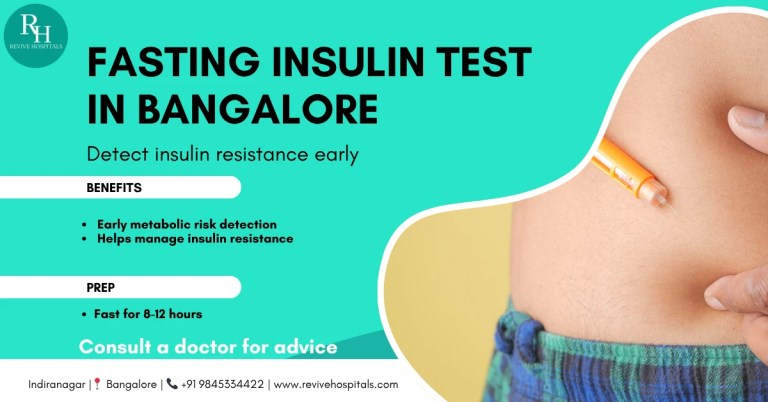
A fasting insulin test measures insulin levels after fasting for usually 8 to 12 hours. It provides doctors with important information regarding how much insulin your pancreas is producing in a non-eating state, and how your body is handling blood sugars. This is distinct from a random insulin test, or measuring blood insulin at any time of day. The benefits of a fasting test are that the results will give a clearer assessment of insulin levels in your body, because food can increase insulin levels.
Doctors will use a fasting insulin test to assess insulin production, pancreatic functioning, and glucose metabolism. This test will demonstrate how or if our body’s insulin levels are producing too much or too little insulin. People with family histories of diabetes, higher or period obesity or BMI, or if there are early signs of metabolic dysfunction would typically have this test recommended.
High insulin levels in the body, even in a fasting state, could mean you are starting to see some insulin resistance. This is one of the earliest signs that a person is on the way to Type 2 Diabetes.
Why is the Fasting Insulin Test Important?
The fasting insulin test is crucial in the early identification of insulin resistance. The test can indicate metabolic concerns before blood glucose becomes abnormal. Most individuals develop diabetes over time, and this laboratory test is especially useful for identifying risk factors before anything abnormal is noted.
The fasting insulin test is also valuable for physicians to use in monitoring patients who are receiving insulin therapy or other therapy for diabetes. The test provides useful information to clinicians regarding how the metabolism is responding to therapy.
This test is an important part of a complete picture regarding your metabolic health. Insulin elevation is often associated with obesity, PCOS, and even heart disease. Knowing your insulin level allows your clinician to suggest dietary and lifestyle changes that may help reduce complications.
Taking a fasting insulin test can give you valuable information regarding how well your body’s metabolism is working and what adjustments you might need to make to be healthy. Knowing your metabolic status enables you to take early precautionary actions to avoid health complications in the future.
Who Should Consider a Fasting Insulin Test?
- This test is valuable to both men and women at risk of metabolic and hormonal disorders. You may want to consider it if you have a family history of either diabetes or heart disease.
- This test will also be beneficial for overweight individuals or those who have difficulty losing weight because of frequently high insulin levels. It can be much more challenging to lose weight if your insulin levels are frequently high.
- Frequent tiredness, regular hunger, weight fluctuations, or shifts may be due to an insulin imbalance. Women with positive PCOS diagnoses, unnatural or variable periods, excessive facial hair growth, etc., should also get tested for an insulin imbalance.
- Those people taking this test with a prediabetes diagnosis, metabolic disorder, or diagnoses of high blood pressure can assess their situation and realize improvements as a result of testing.
When you receive your fasting insulin processing, you can have a better assessment of your control, health, and diet better for a better future.
How to Prepare for a Fasting Insulin Test
It is easy to prepare for the test, but its impact on obtaining accurate results cannot be emphasized too strongly. The preparation period consists of fasting for at least 8-12 hours ahead of the test. During this time, you are allowed to drink water, but you should not eat anything or drink anything other than water.
- If you take any medications (for example, insulin, steroids, or a diabetes tablet), please inform your doctor before the test because some medications will alter your insulin levels and the results of the test.
- TYou should not engage in intense exercise, physical exertion, excessive stress, or try to get less sleep before the test, as this will indicate temporarily elevated insulin levels for the test. It is best to try to keep calm, relaxed, and follow your doctor’s instructions. Preparing correctly ensures your results will be accurate and reliable.
Procedure of a Fasting Insulin Test
- The procedure for fasting insulin testing is quite straightforward and quick. The amount of blood needed is small and obtained from a regular venous draw from your arm; this takes only a few minutes and is generally a minor discomfort.
- The blood sample will go to the laboratory for testing, where insulin will be measured in milli-units per liter (mU/L). Sometimes, the fasting insulin test is performed in conjunction with a fasting glucose test or an HbA1C test to obtain a more comprehensive evaluation of blood sugar and insulin levels.
- The fasting insulin test is safe and requires no recovery period, so you will be able to return to your normal health care activity right after the test.
Normal and Abnormal Fasting Insulin Levels
Fasting insulin levels can offer insight into the body’s ability to manage glucose. While results may differ slightly from lab to lab, an average would be approximately:
| Insulin Level (mU/L) | Interpretation | Possible Condition |
|---|---|---|
| 2–25 | Normal | Normal insulin sensitivity |
| >25 | Elevated | Insulin resistance, pre-diabetes, type 2 diabetes, or even early-onset type 2 diabetes or diabetes |
| <2 | Low | Type 1 diabetes, pancreatic insufficiency, or no longer being able to produce insulin |
High fasting insulin levels indicate some potential for insulin resistance or insulin resistance that could lead to the development of diabetes. A fasting insulin level < 2 indicates a serious condition in which your pancreas might not be producing sufficient insulin. Regular testing and medical monitoring will aid in the management of conditions prior to them becoming problematic.
How Results Help Detect Metabolic Risks
- The fasting insulin test detects risk factors for metabolic diseases before your blood glucose levels increase enough to cause a change. This is helpful because getting ahead of it alarms us that there is a potential problem or something to focus on.
- High fasting insulin is often an early indication of insulin resistance, which can lead to diabetes and cardiovascular disease. Knowing your fasting insulin levels will allow your doctor to assist you with changes to your lifestyle and eating behavior.
- The fasting insulin test may also be particularly useful in women with polycystic ovarian syndrome (PCOS) to assist in their hormonal/metabolic concerns. It provides insight into glucose metabolism and how it works with insulin.
- Alone, it may help with a few other tests, such as glucose tolerance or lipid panels. It provides a thorough insight into your metabolic health, and getting help early may prevent more serious complications in the future.
Diet and Lifestyle Changes for Healthy Insulin Levels
In order to regularize insulin levels, it is best to live a healthy lifestyle. Make sure to choose foods that are low on the glycemic index, such as whole grains, vegetables, nuts, and low-fat proteins. These foods release sugar into the bloodstream slowly and spike insulin levels moderately.
- Stay away from processed foods and sugary drinks, as those spike blood sugar levels while forcing the body to produce insulin. Processed foods and sugar drinks cause spikes in blood sugar due to rapid sugar release into the blood in a short period of time.
- Engage in regular activity as well, which in turn makes the body’s insulin function higher and more productive for the potentiation of blood glucose utilization. You can do this by walking at moderate levels for at least 30 minutes a day.
- Stress can affect your hormonal balance in insulin production, too. You can relax before bed with activities such as yoga or meditation. Ensuring adequate sleep each night can also assist in healthy insulin production levels.
- You can also drink plenty of water to keep you hydrated throughout the day.
- Lastly, try and make fasting insulin tests periodically, so you can track your progress and see if what you’re doing is actually working.
Key Takeaways: Early Detection Saves Health
Fasting insulin testing is a useful tool to identify insulin resistance and metabolic danger in its early stages. It can aid you in avoiding diabetes, obesity, and heart disease by taking early action. A healthy diet, regular exercise, and stress management are responsible for keeping insulin levels normal. If you are susceptible, seek advice from a professional such as Dr. Snehalatha (OB-GYN) at Revive Hospitals, Bangalore. She can assist in devising a customized plan to maintain your hormonal and metabolic health.