All You Need to Know About Childhood Illnesses
Every parent goes through the common fear of nursing a sick child. Children are prone to falling sick because they’re always exposed to various environments, be it in schools, playgrounds, shopping malls, or anywhere. From ear infections to fevers and everything in between, it’s essential to have a good understanding of these childhood ailments to ensure our children’s well-being. But as a parent, you should be aware of the fact that these illnesses are never serious and all your child needs is the right care and medications.
Let’s take a look at some of the common childhood illnesses
Common Cold
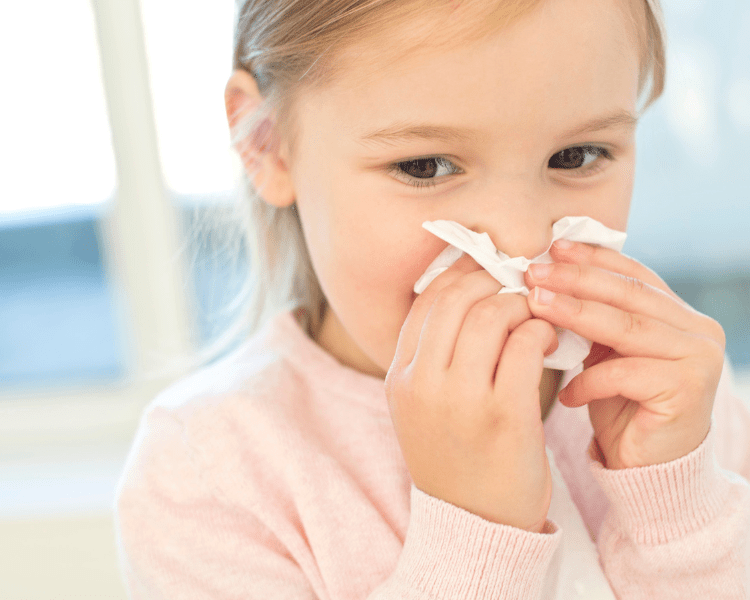
The common cold is one of the most common childhood illnesses. A cold is caused by viruses that spread easily in all kinds of environments, as a result, one experiences a stuffy or runny nose, sneezing, coughing, etc. Cold is something that has no cure as it comes and goes away. All you need to do is give the right medication like consuming warm liquids, steam inhalation, proper rest, etc. Teaching proper hygiene practices would stop the spread of the virus, like washing hands, cupping the nose while sneezing, and staying away to avoid the spread.
Influenza
Influenza, popularly known as the flu, is a kind of virus that spreads quickly when infected people cough or sneeze. This kind of sickness causes fever, sore throat, weariness, body aches, and chills. The majority of cases are treatable at home by giving children the right medication, and ample rest. It’s important to get your children vaccinated for the flu every year to stop falling ill. Getting the flu vaccine does not ensure that you will not become ill, but it can reduce your chance of contracting the most prevalent types. It may also lessen the intensity and duration of flu symptoms if you do become ill.
Respiratory Syncytial Virus
RSV or Respiratory Syncytial Virus is an infection that affects the respiratory system. It shows symptoms that are more cold-like amongst children and adults. This even includes fever, cough, runny nose, and sneezing. However, it can be serious for young infants and elderly people. It can irritate the airway and lead to pneumonia. Make sure your child drinks plenty of fluids during this time. Bronchodilator medications can help open your child’s airways allowing them to breathe easily. They are given an aerosol mist using a mask or an inhaler.
Pneumonia
Pneumonia is a serious lung infection caused by bacteria, viruses, or fungi. Pneumonia can cause fever, coughing, and breathing difficulties. It may be severe, especially in young children, so it is important to consult with a healthcare professional if your child shows any signs and symptoms. Pneumonia caused by bacteria requires treatment with antibiotics. Typically, you should expect to see an improvement in symptoms within 12 to 36 hours after starting the antibiotic medication. One crucial aspect of managing bacterial pneumonia is completing the full course of antibiotics as prescribed by your healthcare provider. Make sure not to stop the medication early, even if your child starts feeling better as the infection can return.
Ear Pain
Ear pain could occur due to inflammation or infection within the ear. Ear infections usually happen in either the inner ear canal, known as Swimmer’s Ear, or the middle ear canal, called the Otitis Media. Your child may also experience pain, which can extend from their ear to their lower jaw. This discomfort can arise as a result of a severe cold or due to increased pressure within their sinuses.
Chicken Pox
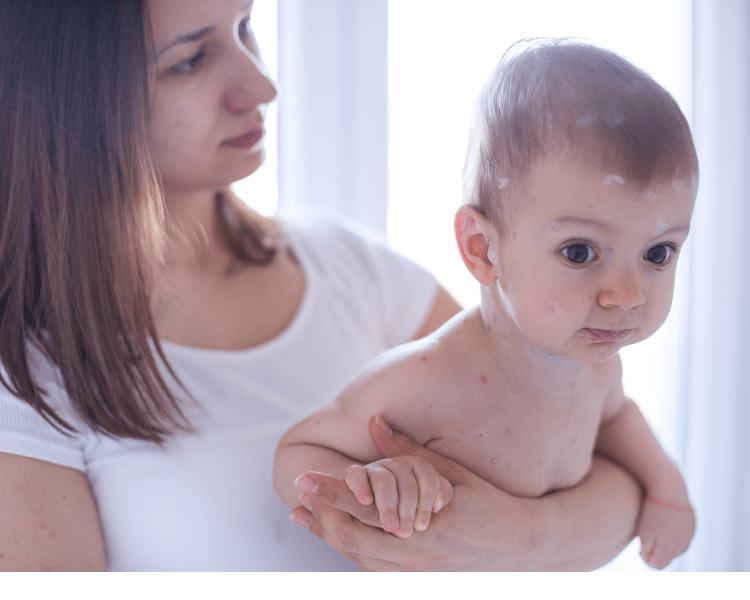
Chickenpox is a very common and mild childhood ailment that affects nearly all children at some stage. It is caused by a virus that spreads quickly from people affected by the condition. Chickenpox is typically treatable at home. While you or your child may experience discomfort and a general feeling of being unwell, appropriate treatment measures can significantly reduce these symptoms. During this time you should make sure your child drinks a lot of water, and stop the child from scratching as this could only worsen problems. It’s advised to either tap or pat the skin rather than scratching it.
Fever
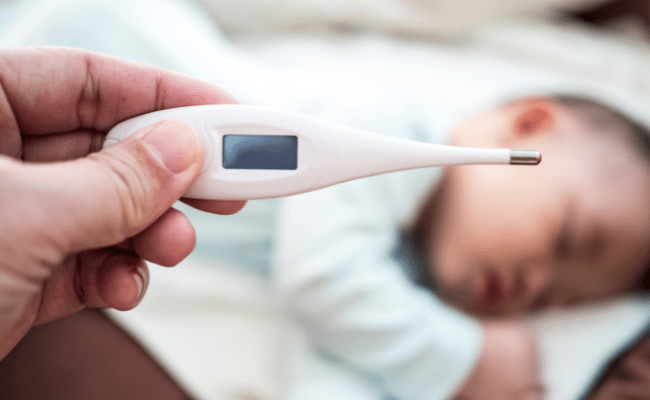
One of the most common health conditions faced by many, a fever is the body’s natural response to infection or illness. It is a temporary increase in body temperature, usually measured using a thermometer. A fever is defined by most healthcare professionals as 100.4°F (38°C) or above. It can be uncontrollable for children and adults alike, but it’s not a cause of concern as it only lasts for a few days. It usually involves high temperature, nausea, headache, chills, sweating, weakness, and dehydration. During this time the children should be given warm liquids in the form of rice soup, make sure he/she drinks a good amount of water or a nice warm bath, consult with a healthcare professional, and take his/her guidance.
Understanding childhood illnesses and their treatments is a vital part of being a responsible and caring parent or caregiver. Whether it’s recognizing the signs, knowing when to seek medical care, or providing supportive care at home, your knowledge and proactive approach can make a significant difference in your child’s health and well-being. Remember that while it’s essential to be informed, you’re not alone in this journey. Always consult with healthcare professionals for accurate diagnoses, treatment plans, and guidance tailored to your child’s specific needs. By staying informed and consulting with a healthcare professional, you can treat childhood illnesses with confidence, ensuring the best results for your child