Understanding Abortion Laws in India: What Unmarried Women Need to Know
Navigating the complex landscape of abortion laws in India can be daunting, especially for unmarried women who may find themselves facing unexpected pregnancies. Understanding your rights and the legal framework surrounding abortion is crucial in making informed decisions about your reproductive health. This article delves into the specific provisions applicable to unmarried women, shedding light on the misconceptions and societal stigma often associated with the topic. By exploring the legal nuances, available medical facilities, and the importance of counseling, we aim to empower you with the knowledge needed to take control of your reproductive choices. Whether you are seeking clarity on the legal process or need guidance on the support available, our comprehensive overview will equip you with the essential information for navigating these challenging waters. Embrace this opportunity to learn, engage, and advocate for your rights in a society that’s continually evolving.
Historical Context of Abortion Legislation in India
The journey of abortion legislation in India is a fascinating one, marked by significant milestones and evolving perspectives. Prior to the 1970s, abortion was largely illegal and considered a criminal act under the Indian Penal Code, 1860. This stringent stance reflected the conservative societal norms and the influence of colonial laws that did not prioritize women’s reproductive rights. As a result, countless women were forced to resort to unsafe and illegal means to terminate unwanted pregnancies, often at great personal risk.
The turning point came with the introduction of the Medical Termination of Pregnancy (MTP) Act in 1971. This landmark legislation was enacted in response to growing concerns about the high rates of maternal mortality due to unsafe abortions. The MTP Act sought to provide a legal framework for safe and regulated abortions, thereby protecting women’s health and well-being. It marked a significant shift in the government’s approach, recognizing the need for accessible reproductive healthcare and respecting women’s autonomy over their bodies.
Over the years, the MTP Act has undergone several amendments to address changing societal needs and medical advancements. These amendments have been critical in expanding the scope of permissible abortions and enhancing the protections afforded to women. Despite these progressive changes, the law continues to evolve, reflecting ongoing debates about reproductive rights, gender equality, and public health. Understanding the historical context of abortion legislation in India is essential to appreciate the complexities of the current legal framework and the challenges that remain.
Current Legal Framework Governing Abortion
The Medical Termination of Pregnancy (MTP) Act, 1971, along with its subsequent amendments, forms the cornerstone of the legal framework governing abortion in India. The Act allows for the termination of pregnancy by a registered medical practitioner under specific conditions, aiming to balance the rights of women with the need to ensure safe and ethical medical practices. The most recent amendment, the MTP (Amendment) Act, 2021, introduced significant changes to enhance accessibility and clarity around abortion laws.
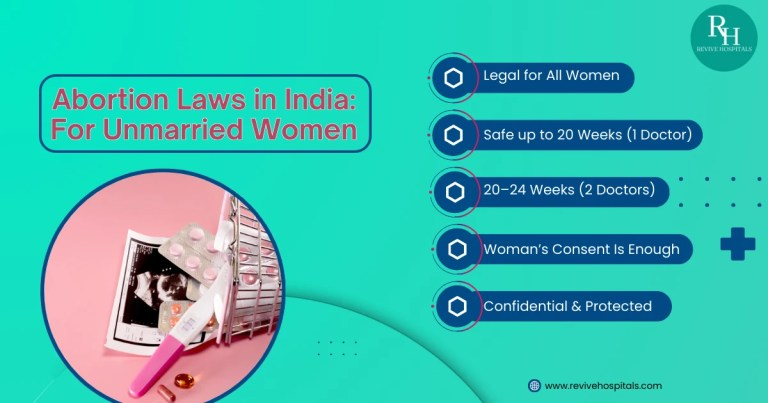
Under the MTP Act, abortion is permitted up to 20 weeks of gestation with the approval of one medical practitioner. For pregnancies between 20 to 24 weeks, the approval of two medical practitioners is required. Beyond 24 weeks, abortions are allowed only in cases of substantial fetal abnormalities, as certified by a Medical Board. These provisions are designed to ensure that abortions are conducted safely and with appropriate medical oversight, reducing the risk of complications for the woman.
One of the noteworthy aspects of the MTP Amendment Act, 2021, is the inclusion of unmarried women within the ambit of the law. The Act explicitly states that the same conditions for termination apply regardless of a woman’s marital status, thus recognizing the reproductive rights of unmarried women. This progressive step aims to remove the discriminatory barriers that unmarried women have historically faced, ensuring that they have equal access to safe and legal abortion services. However, the practical implementation of these provisions still faces challenges, particularly in terms of societal acceptance and awareness.
Abortion Rights for Unmarried Women: An Overview
The MTP Amendment Act, 2021, has been a significant step forward in recognizing the abortion rights of unmarried women in India. Prior to this amendment, the legal framework was often ambiguous, and unmarried women faced significant hurdles in accessing safe abortion services. The revised law now explicitly states that abortions are permissible for all women, irrespective of their marital status, provided they meet the stipulated conditions.
For unmarried women, the Act allows for the termination of pregnancy up to 20 weeks with the approval of one medical practitioner. For pregnancies between 20 to 24 weeks, the approval of two medical practitioners is required. This provision is particularly crucial for unmarried women who may face delays in seeking medical advice due to societal stigma or lack of awareness. By extending the permissible gestation period, the law provides a more realistic timeframe for women to make informed decisions about their pregnancies.
Despite these legal protections, unmarried women often encounter practical difficulties in accessing abortion services. Many medical practitioners may have personal biases or lack awareness about the legal provisions, leading to refusals or unnecessary delays. Additionally, the societal stigma surrounding premarital sex and pregnancy can deter unmarried women from seeking timely medical assistance. It is essential for unmarried women to be aware of their legal rights and seek support from reliable medical and legal professionals to navigate these challenges effectively.
Conditions Under Which Abortion is Permitted
The Medical Termination of Pregnancy (MTP) Act outlines specific conditions under which abortion is permitted in India. These conditions are designed to ensure that abortions are conducted safely and ethically, with due consideration for the health and well-being of the woman. Understanding these conditions is crucial for unmarried women to make informed decisions about their reproductive health.
Abortions are permitted up to 20 weeks of gestation if the continuation of the pregnancy would pose a risk to the life of the woman or cause grave injury to her physical or mental health. This includes situations where the pregnancy is a result of rape or contraceptive failure, which is particularly relevant for unmarried women. The law recognizes that an unwanted pregnancy can have severe psychological and social implications, and therefore provides legal grounds for termination in such cases.
For pregnancies between 20 to 24 weeks, the Act requires the approval of two medical practitioners. Abortions during this period are allowed if there is a substantial risk of fetal abnormalities or if the continuation of the pregnancy would pose a serious threat to the woman’s health. Beyond 24 weeks, abortions are permitted only in cases of significant fetal abnormalities, as certified by a Medical Board. These stringent conditions aim to balance the rights of the woman with the need to protect fetal life, ensuring that abortions are conducted responsibly and with appropriate medical oversight.
The Role of Consent in Abortion Procedures
Consent is a fundamental aspect of abortion procedures, reflecting the principles of autonomy and informed decision-making. Under the MTP Act, the consent of the woman seeking an abortion is mandatory, regardless of her marital status. This provision empowers women to make decisions about their reproductive health without external coercion or influence.
For unmarried women, the requirement of consent is particularly significant. It ensures that they have the sole authority to decide whether to continue or terminate a pregnancy, free from societal or familial pressures. In practice, however, unmarried women may face challenges in asserting their autonomy, especially in conservative or patriarchal settings. It is essential for healthcare providers to respect the confidentiality and privacy of unmarried women, creating a supportive environment where they can make informed choices.
In the case of minors or women with mental disabilities, the consent of a guardian is required. This provision aims to protect vulnerable individuals while ensuring that their reproductive rights are respected. However, it also raises complex ethical and legal questions about the extent of guardian involvement and the potential for misuse of authority. It is crucial for medical practitioners to navigate these situations with sensitivity and adherence to legal and ethical standards, ensuring that the rights and well-being of the woman are prioritized.
Medical Facilities and Accessibility for Unmarried Women
Access to safe and reliable medical facilities is a critical component of the abortion process. The MTP Act mandates that abortions can only be performed by registered medical practitioners in approved facilities, ensuring that the procedures are conducted under appropriate medical supervision. However, for unmarried women, accessing these facilities can be fraught with challenges.
One of the primary barriers is the lack of awareness about the legal provisions and available services. Many unmarried women may not know where to seek help or may be hesitant to approach medical facilities due to fear of judgment or confidentiality breaches. It is essential for healthcare providers to create a non-judgmental and supportive environment, where unmarried women feel safe to seek the care they need. Public awareness campaigns and educational initiatives can also play a crucial role in informing women about their rights and available resources.
Additionally, geographical and economic factors can impact accessibility. In rural or remote areas, the availability of approved medical facilities and trained practitioners may be limited, forcing women to travel long distances for care. This can be particularly challenging for unmarried women who may lack the financial resources or social support to seek timely medical assistance. The government and healthcare organizations must work towards improving the accessibility and quality of abortion services across all regions, ensuring that unmarried women have equitable access to safe and legal abortions.
Societal Stigma and Challenges Faced by Unmarried Women
Societal stigma surrounding premarital sex and pregnancy remains a significant challenge for unmarried women seeking abortions in India. Cultural norms and conservative attitudes often view premarital pregnancy as a moral failing, leading to judgment and ostracization. This stigma can have profound psychological and social impacts, deterring unmarried women from seeking timely medical assistance and forcing them into secrecy.
The fear of stigma can lead to delays in seeking abortion services, increasing the risk of complications and reducing the options available to women. Unmarried women may also face additional scrutiny and invasive questioning from healthcare providers, further exacerbating their sense of vulnerability and isolation. It is essential for medical practitioners to adopt a non-judgmental and empathetic approach, ensuring that unmarried women receive the care and support they need without fear of discrimination.
Moreover, societal stigma can extend to the family and community, where unmarried women may face pressure to continue the pregnancy or marry the father of the child. Such coercive practices undermine women’s autonomy and can have long-term consequences on their mental and emotional well-being. It is crucial to challenge and change these societal attitudes through education, advocacy, and public awareness, promoting a more inclusive and supportive environment for unmarried women.
Resources and Support for Unmarried Women Seeking Abortion
Navigating the complexities of abortion laws and accessing medical services can be daunting for unmarried women. However, there are resources and support systems available to help them make informed decisions and receive the care they need. Knowing where to find reliable information and assistance is crucial for unmarried women facing an unplanned pregnancy.
Several non-governmental organizations (NGOs) and support groups provide counseling and legal assistance to women seeking abortions. These organizations can offer confidential and non-judgmental support, helping women understand their rights and navigate the legal and medical processes. Additionally, they can provide emotional support and counseling, addressing the psychological impacts of an unplanned pregnancy and the societal stigma associated with it.
Healthcare providers also play a critical role in supporting unmarried women. Medical practitioners should be well-informed about the legal provisions and trained to provide empathetic and confidential care. Creating a supportive and non-judgmental environment in medical facilities can encourage unmarried women to seek the care they need without fear of judgment or discrimination. Public health initiatives and educational campaigns can also raise awareness about the legal rights and medical options available to unmarried women, empowering them to make informed decisions about their reproductive health.
Conclusion: Navigating Abortion Laws in India
Navigating abortion laws in India can be challenging, particularly for unmarried women who face additional societal and practical barriers. Understanding the legal framework, including the provisions of the MTP Act and its amendments, is essential for making informed decisions about reproductive health. The Act provides clear guidelines for safe and legal abortions, recognizing the rights of all women, regardless of their marital status.
However, legal provisions alone are not sufficient to ensure equitable access to abortion services. Societal attitudes and stigma continue to pose significant challenges, deterring unmarried women from seeking timely and appropriate care. It is crucial for medical practitioners, policymakers, and society at large to work towards creating a more inclusive and supportive environment for unmarried women. This includes raising awareness about legal rights, improving accessibility to medical facilities, and challenging societal norms that perpetuate stigma and discrimination.
Empowering unmarried women with the knowledge and resources they need to navigate abortion laws is a critical step towards achieving reproductive justice. By fostering a culture of empathy, respect, and support, we can ensure that all women have the autonomy and agency to make informed decisions about their reproductive health. The journey towards reproductive rights and equality is ongoing, and it is essential for all stakeholders to continue advocating for policies and practices that uphold the dignity and well-being of every woman.