Implantation Bleeding vs Period Bleeding: How to Spot the Difference
Overview: Implantation Bleeding vs Period Bleeding
It’s common for women to get confused between implantation bleeding versus period bleeding. Both can occur around the same time, which can make it difficult to tell the difference. Implantation bleeding relates to a fertilized egg, which occurs when a fertilized egg attaches to the lining of the uterus. Menstrual bleeding relates to the start of a new menstrual cycle. For those trying to conceive or wanting to know the early signs of pregnancy, knowing the difference is critical. Implantation bleeding is usually on the light side and can be short, and period bleeding can be heavier and last longer. Identifying implantation bleeding and period bleeding can greatly help women know how to manage early signs of pregnancy and when they should go to the doctor for medical advice. If you know these signs early, you will limit confusion and can take the appropriate next step to confirm pregnancy.
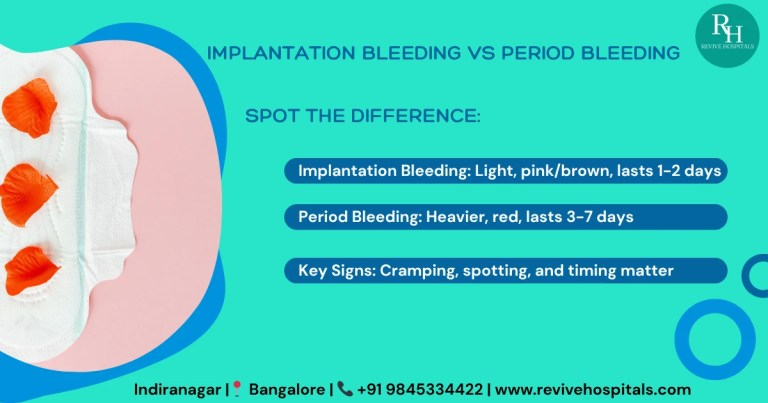
What is Implantation Bleeding?
Implantation bleeding refers to the bleeding when a fertilized egg settles into the lining of the uterus, and typically happens between six and twelve days after ovulation, when you would probably expect your period. The bleeding is usually quite light in flow and can be pink, brown, or light red in color. Some women will see a few drops, and some will just see a faint streak when they wipe. Implantation bleeding is one of the earliest signs of pregnancy, but not every woman has it. Women might not feel any cramps at all, or they might just be very mild. Women may feel they are somewhat tired, or there might be some mild tenderness in their breasts.
According to Dr. Snehalatha Alapati, a provider with expertise in caring for women in early pregnancy, figuring out what your bleeding is will provide reassurance and adequate care as needed. Implantation bleeding typically lasts one to two days, and no treatment is required. If the bleeding increases to heavy or if there are any severe cramps, it is wise to consult a doctor for further evaluation.
What is Period Bleeding?
Menstrual bleeding happens because the uterus is shedding its lining since no pregnancy has occurred. A normal menstrual cycle is twenty-one to thirty-five days. A period will typically start light, increase in flow in the middle, and decrease at the end of bleeding. Blood can range in color from light red to dark brown, and can also have some small clots. Menstrual bleeding lasts from three to seven days.
Some symptoms may present during your period; these may include cramping, fatigue, mood swings, back pain, and bloating. These symptoms occur in spite of your cycle involving differing hormone levels as your body prepares for the next cycle. Some levels of flow, as well as some levels of pain, are different for each woman. It is important to keep track of your cycle to know what is normal for you, and if you notice a significant change in the timing, flow, or pain of your period, you should notify your doctor.
Key Differences Between Implantation Bleeding and Period Bleeding
Implantation bleeding is usually lighter, shorter, and not as intense as bleeding during your normal period. Additionally, implantation bleeding happens earlier in the cycle than your period bleeding. Period bleeding happens at the same cycle timing and is a heavier flow.
| Characteristic | Implantation Bleeding | Period Bleeding |
|---|---|---|
| Color of Blood | Pink, brown, or light red | Bright red to dark brown |
| Flow | Minimal blood light spotting | Heavy flow may require a pad/tampon |
| Duration | One – Two days | Three to seven days |
| Cramping | Mild cramps or none | Intense or intense with bloating |
| Clotting | No clotting | May have clots when the flow gets heavier |
| Timing | Most common 6 – 12 days after ovulation | Around day 28 of the cycle |
| Other Symptoms | Mild fatigue tenderness | PMS-like mood swings and bloating |
Understanding these signs can help you distinguish whether it is implantation bleeding or your normal period bleeding.
How to Identify Implantation Bleeding vs Period Bleeding
The best way to tell the difference between the two is to pay close attention to your symptoms and timing. Implantation bleeding happens much earlier than a period, and if it happens at all, it is usually very light in nature. It tends to go away quickly, even just a day or two in duration. The blood observed during implantation bleeding should also be light in color and not contain clots. If it is heavy, bright red, and lasts longer than that, you may have more reason to believe it is your period.
Watch the signs your body is giving you. If you are spotting lightly and have other early pregnancy signs such as tiredness, breast tenderness, or nausea, you might want to consider a pregnancy test in a few days. You may also find it helpful to track any unusual bleeding on a calendar or through a period-tracking app. If the bleeding feels unusual or occurs outside of your cycle, speak with a doctor about your concerns, and they may be able to give more direction.
Bleeding Followed By an I Pill Intake vs Menstrual Bleeding
When to Take a Pregnancy Test
The best time to take a pregnancy test is after you have missed your period. This is important because there is a chance that implantation bleeding could occur right before your expected period, and if you test too early, you may get a negative result. If you have waited at least a few additional days, past the missed period, you should be able to get an accurate result.
A pregnancy test checks for the hormone hCG, which is released after implantation. If you are not sure of the timeline of your cycle, testing twenty-one days after unprotected sex will give you a reliable test result. Testing morning urine samples tends to be the most reliable result. If you receive a negative pregnancy test result and your period still has not arrived, follow up in two to three days.
When to See a Doctor
If the bleeding is heavy, lasts more than three days, or involves severe cramps, you should see a physician. Heavy bleeding early in pregnancy means that there could be some problem, such as an ectopic pregnancy or miscarriage, that needs to be assessed by a doctor. It is also worth noting that ongoing pain, vertigo, or passing clots during early pregnancy should be part of a discussion with your doctor.
Dr. Snehalatha stated that women should always be vigilant in cases when they don’t know what kind of bleeding it is, or if they lose track of the amount of bleeding they have had, they should reach out to the doctor. The doctor may do a physical exam or ultrasound to determine if the bleeding is due to implantation or some other factor. If you see a doctor early, both to prevent negative outcomes and for peace of mind, it is a good step.
Final Thoughts: Clarifying Implantation Bleeding and Period Bleeding
Although implantation bleeding and menstrual period bleeding may appear similar, they are very different events in the female body. Implantation bleeding is light, sometimes only spotting, and only lasts for a short period of time, while bleeding caused by your menstrual period is heavier and lasts for days. Tracking your menstrual cycle and noticing any changes will help you know what your body is going through.
If you think you may be pregnant, wait a few days and take a pregnancy test. Always contact your doctor if you feel in doubt about the bleeding or have heavy or painful bleeding. Recognizing the different stages of your menstrual cycle will help you stay aware of your body and informed on what actions to take to promote your reproductive health.