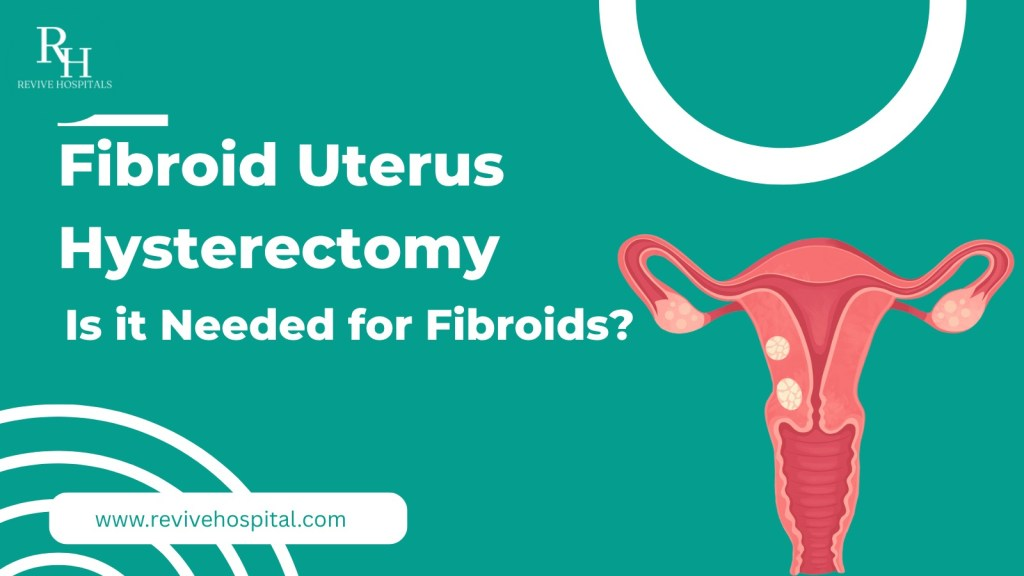
Fibroid Uterus Hysterectomy: Is it Needed for Fibroids?
Do you feel tired and low on energy during your periods? Is your bleeding so heavy that you miss work or avoid going out? If yes, you could be dealing with uterine fibroids – a condition many women face without realising it. Let us help you understand what fibroids are, what causes them, and how fibroid uterus hysterectomy surgery can offer relief when nothing else works.
What are Uterine Fibroids?
Fibroids are abnormal, but benign uterine growths. They are also called leiomyomas or myomas. Their position within the uterus, size, and volume differ. Fibroids can be located in the following areas:
- Intramural – fibroids within the uterine wall
- Subserosal – growth on the outer wall
- Submucosal – growth into the inner cavity
- Pedunculated – growth on a stalk, like a mushroom
How do Uterine Fibroids Affect You?
All fibroids don’t cause symptoms. Yet, when they do, you may experience:
- Heavy or prolonged menstrual bleeding
- Pelvic pressure or pain
- Frequent urination
- Constipation
- Pain during intercourse
- Back or leg pain
The severity of symptoms can vary. Anaemia and other issues can sometimes result from fibroids.
When Fibroid Uterus Hysterectomy Becomes Necessary?
Small fibroids can be treated with hormone medications to shrink fibroids and lifestyle changes to manage weight to prevent them from recurring. But, when you keep getting fibroids, and they affect your quality of life, surgical removal of the uterus called hysterectomy becomes vital to treat it completely.
Types of hysterectomy are:
- Total hysterectomy: The uterus along with the cervix are removed.
- Subtotal (partial) hysterectomy– Removal of the uterus while the cervix is left as it is.
- Radical hysterectomy– Here, the uterus, cervix, and some of the nearby tissues are removed. It’s rarely done for fibroids.
- Hysterectomy with salpingo-oophorectomy: It includes the removal of the uterus, one or both ovaries and fallopian tubes. When you have healthy ovaries, they are often left untouched to avoid early menopause.
The doctor considers many factors, such as the quantity and size of fibroids, age, and general health of the patient, to determine the right hysterectomy operation.
Surgical Approaches
Hysterectomy can be performed using different surgical techniques. The most common processes are:
- Abdominal hysterectomy– Through an abdominal incision
- Vaginal hysterectomy– Through the vagina without making an external cut
- Laparoscopic hysterectomy – An Easy process that involves small incisions and a camera
- Robotic-assisted hysterectomy – A variation of laparoscopic surgery using robotic arms
Get the Best Care for Fibroids
Dr. Snehalatha Alapati and her dedicated team at Revive Hospitals offer exceptional care in the field of Obstetrics & Gynaecology, with a particular specialization in fibroid uterus hysterectomy cases. Their clinical expertise, combined with a compassionate and patient-centered approach, ensures that every individual receives the support, clarity, and confidence needed to make informed healthcare decisions. With outstanding surgical skills and a strong focus on comprehensive post-operative care, Dr. Snehalatha Alapati and her team help patients achieve a smooth recovery and a swift return to their normal lives, reaffirming their commitment to excellence at every step.
Case Study: Surgical Management of a Large Fibroid Uterus with Minimal Scar Outcome
Patient Profile:
A woman presented with a chronic history of gaseous distension and a hard abdominal mass, along with increased frequency of urination for the past 8–10 months.
Clinical Evaluation:
• Ultrasound (USG) findings (dated 14/04/2025):
• Enlarged uterus with a large fibroid measuring 17 x 14 cm
• Mild right hydroureteronephrosis.
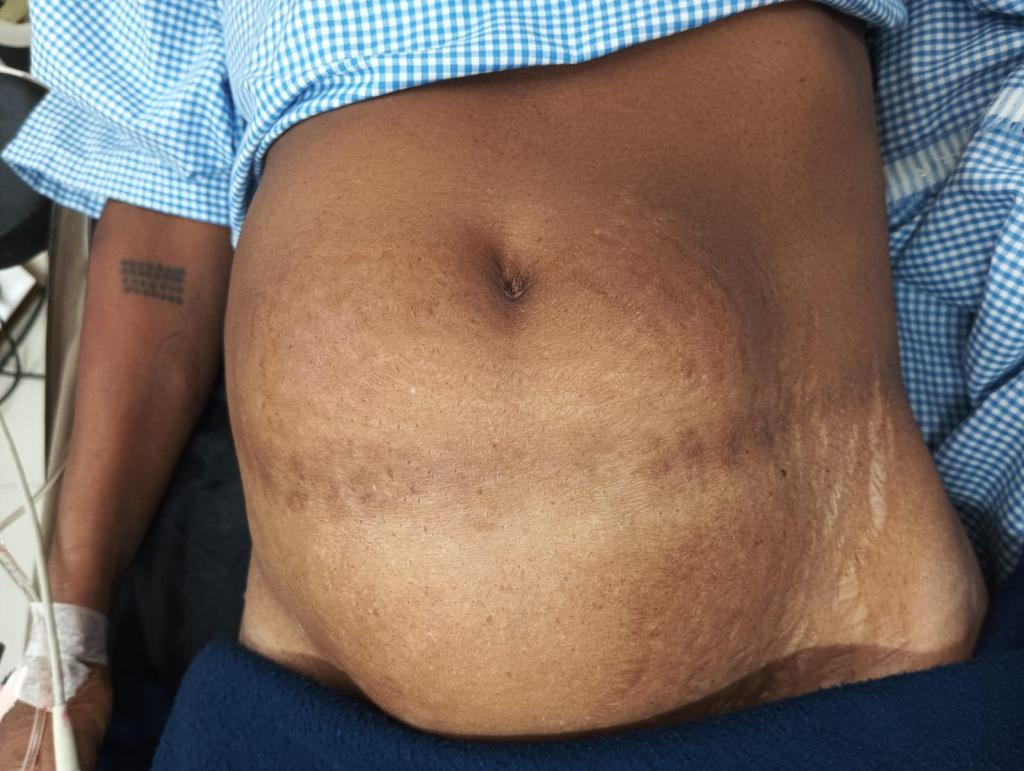
On general examination : It was a huge swelling on abdomen whichlooks like a 9 months old pregnant abdomen . So , she was counselled for Hysterectomy considering her day to day activities which were getting affected by the fibroid causing pressure symptoms on the urinary bladder .
Operative Details:
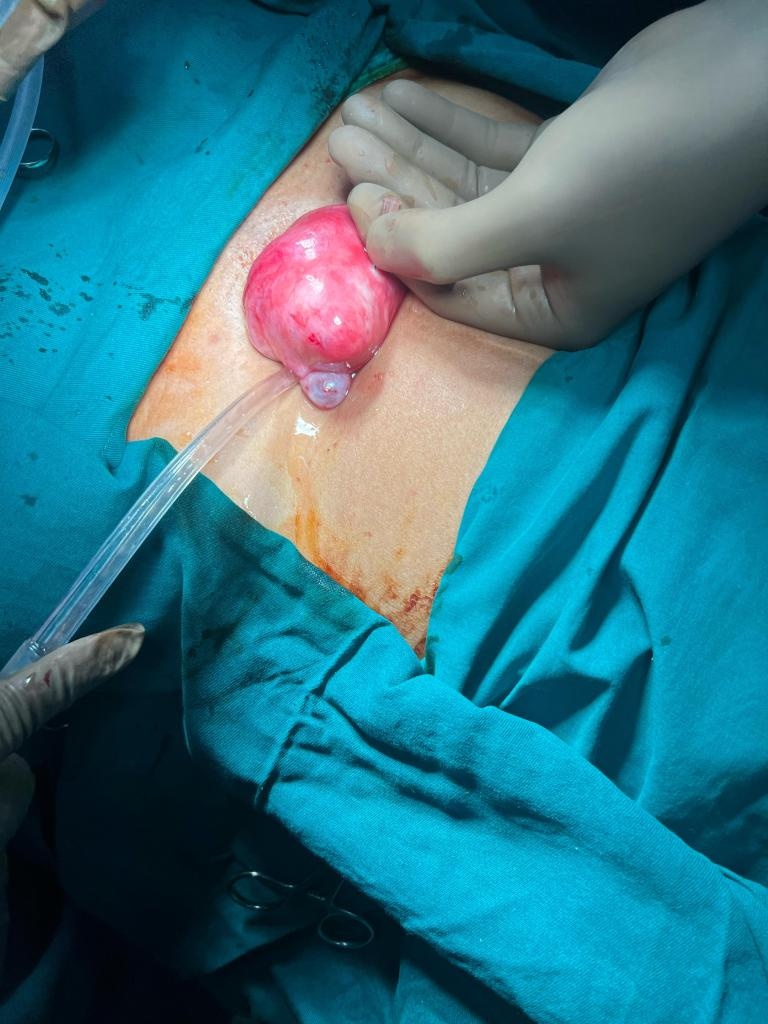
Intraoperatively, a large fibroid uterus was found extending up to the xiphisternum and occupying the right iliac fossa. A small clear cyst was also observed in the right ovary. Both ureters were carefully identified and protected throughout the procedure.
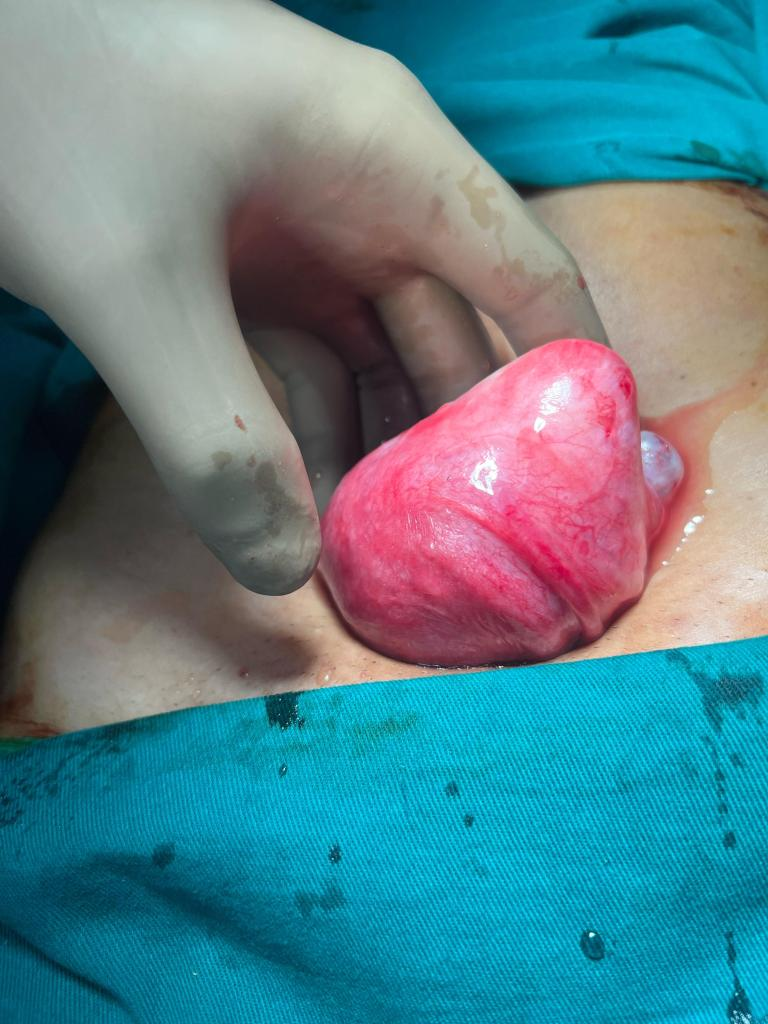
Given the massive size of the fibroid, uterine debulking was performed using morcellation, followed by a Total Abdominal Hysterectomy with Bilateral Salpingo-oophorectomy (TAH + BSO). The final weight of the fibroid with the uterus specimen was an impressive 2.5 kg.
Thanks to meticulous surgical technique and the expertise of the anesthetist team, the patient underwent a major hysterectomy with minimal scar formation and an excellent recovery.
Postoperative Course:
The patient had an uneventful postoperative recovery, was mobilized early, and returned to normal activities sooner than expected.
Discussion:
Large uterine fibroids can cause significant pressure symptoms, including urinary disturbances and gastrointestinal discomfort, and may lead to secondary effects such as hydroureteronephrosis. In cases where fertility preservation is not a concern, hysterectomy remains the definitive treatment. Surgical success in such complex cases relies heavily on precise technique, clear identification of vital structures, and coordinated teamwork between surgical and anesthetic teams. This case highlights that even large fibroid surgeries can be accomplished safely with minimal visible scarring, ensuring both functional and cosmetic satisfaction for the patient.