All You Need to Know About PCOS
Health concerns continue to rise with time and one such condition that needs extra care and attention is PCOS. Polycystic ovary syndrome (PCOS) is a common hormonal disorder that impacts women’s reproductive health during the childbearing phase. Women with PCOS experience irregular menstrual periods, excess hair growth, acne, infertility, and weight gain. It is unclear what causes PCOS specifically. Insulin sensitivity is prevalent in PCOS patients. Increased insulin levels can lead to greater androgen levels in the body. There isn’t a cure for the condition but the symptoms can be treated.
Living with PCOS
PCOS can take an emotional toll on women with weight gain, hair growth, and acne which can weaken one’s confidence, but with the advancement of technology, women have options like cosmetic treatments to enhance their appearance. Having a word with a healthcare professional will put you in a better position to understand the treatments you require regarding the symptoms that bother you.
Symptoms of PCOS



The symptoms of PCOS are as follows:
- Missed or Irregular periods
- Ovaries that are large or have many cysts
- Weight gain
- Acne
- Skin tags
- Dark or thick skin patches on the back of your neck, armpits, and under the breasts
Scanning to detect PCOS
PCOS cannot be diagnosed in one single test. To get a better understanding your doctor would discuss the symptoms, medications, and health conditions one might have. Additionally, your doctor might inquire about your menstrual cycle and any weight fluctuations. They would also ask you to perform certain hormone tests to get a clear picture of the excess hormone production caused by PCOS or any other condition associated with the hormones. One of the key diagnostic tools for PCOS is ultrasound imaging. A transvaginal ultrasound can provide a visual insight into the ovaries, revealing the presence of small cysts.
Blood Tests
Blood tests play a crucial role in unraveling the mystery of PCOS. Hormonal imbalances are at the heart of this condition, with elevated levels of androgens (male hormones) being a hallmark. A comprehensive blood test can measure follicle-stimulating hormone (FSH), progesterone, testosterone, and prolactin. By analyzing these hormone levels, doctors can gain valuable insights into the hormonal landscape and recommend treatments accordingly. However, these tests alone can’t confirm PCOS. The main way to diagnose PCOS is through an ultrasound showing multiple ovarian cysts.
Ultrasound Diagnosis
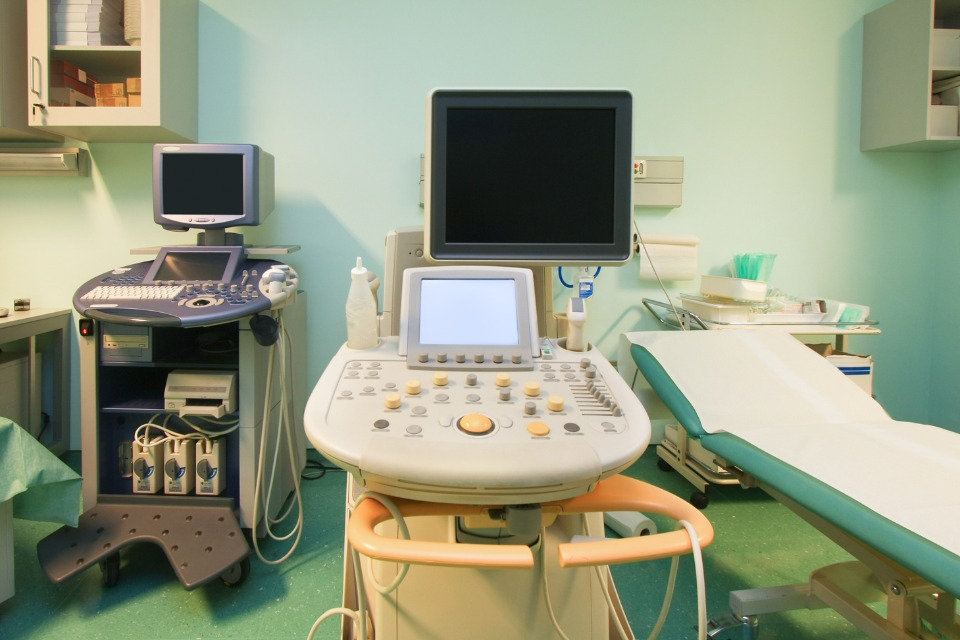
To detect polycystic ovaries, transvaginal ultrasound is considered the best as It offers an appropriate visualization of the ovary’s inside, especially in obese patients. Transvaginal ultrasound is said to be more effective than transabdominal ultrasound for spotting polycystic ovaries in women with PCOS. And with the addition of 3D ultrasound, you get an in-depth and precise understanding of the diagnosis of PCOS. The software can accurately count individual follicles and calculate total ovarian volumes, minimizing the chances of errors in PCOS ultrasound images.
Modifications in Lifestyle with PCOS
While medical interventions have their place, so do lifestyle habits. Lifestyle modifications emerge as a potent force in managing PCOS. Weight management, regular exercise, and a balanced diet can significantly alleviate symptoms and improve hormonal balance. Incorporating a nutritious diet plan and maintaining a healthy weight can enhance insulin sensitivity, which directly impacts hormone regulation. Additionally, stress management techniques like yoga, meditation, and mindfulness can further contribute to maintaining a good hormonal balance.
Recognizing the symptoms, seeking the right diagnostic methods, and choosing a healthy lifestyle can help you fight the challenges of PCOS with resilience. When you’re armed with the right information, you embark on a journey towards better health and well-being.