Best Fibroid Treatment in Bangalore: Symptoms, Causes & Care Options at Revive Hospitals
Introduction: Understanding Uterine Fibroids
Uterine fibroids are known as noncancerous growths in the uterus or the womb. These growths may vary in numbers, ranging from single or multiple fibroids. They have various sizes from small seedlings to bulk growth. Many women may have these fibroids during their reproductive years. But not all will show the symptoms of the growth. Nowadays, this condition is very common in women. Especially the women who are aged between 30 to 50. These fibroids in the uterus are not life-threatening or dangerous because these growths are non-cancerous and will not spread over the body like cancer. But it can affect the health and life of a woman. It may lead to complications if they are not treated well. Even though it is not dangerous, early diagnosis and good treatment are necessary. At Revive Hospitals in Bangalore, you can consult the expert Gynecologists for fibroid uterus who offer comprehensive uterine fibroid care, from diagnosis to recovery.
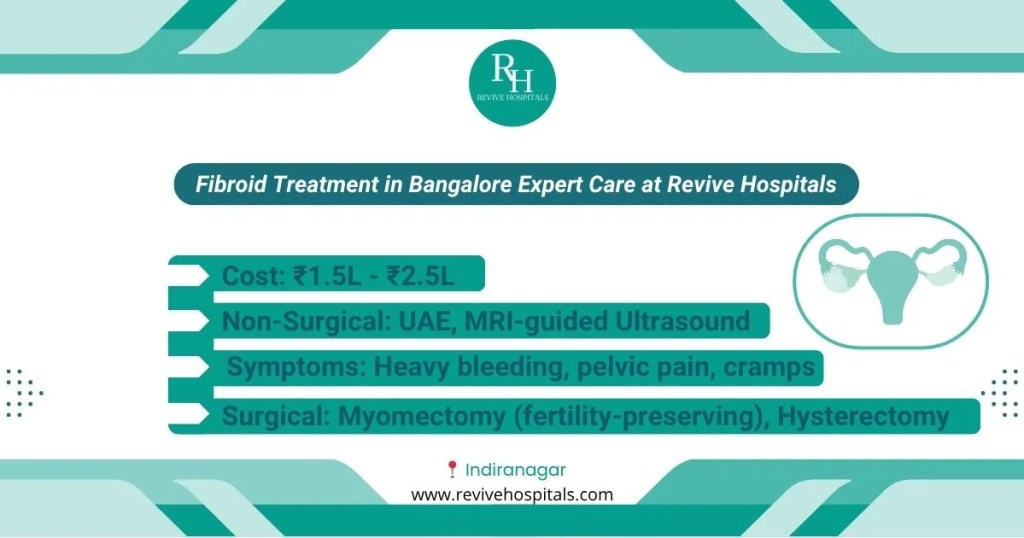
Common Symptoms of Uterine Fibroids
In the case of uterine-fibroid it will not show any symptoms in most women. But some may face various physical discomforts. The most common symptoms of uterine fibroids are heavy menstrual bleeding and persistent menstrual bleeding. This condition may cause health issues like fatigue or anemia. Other symptoms of uterine fibroids are pelvic pain, severe period cramps, pelvic pressure, constipation, frequent urination, backache, and leg pain. Some of them also have pain during sex. These symptoms cannot be avoided or ignored. Because these symptoms are the first of fibroid issues. It is best to consult a gynaecologist if anyone notices these symptoms and seeks better treatment early.
Causes and Risk Factors
There are several reasons for fibroids cause. The hormonal, genetic, and lifestyle factors are the main reasons for the growth of fibroids in women. The factor that increases the chance of fibroid growth is the hormones, like estrogen and progesterone. Genetics is another reason for fibroids; if anyone in our family has fibroids, it may also increase the chances of developing them. Other risk factors that cause fibroids like a lack of exercise, obesity, getting period at a young age, using birth pills at a young age, high blood pressure, Vitamin D deficiency, high consumption of red meat, and low consumption of green vegetables. In addition, women at the age especially from 30 to 50 years are at a higher risk. Keywords: fibroids causes, reasons for heavy menstrual bleeding.
Types of Uterine Fibroids
There are four types of fibroids. These are categorized on the basis of where they grow in the uterus:
Intramural fibroids: These grow within the muscular wall of the uterus.
Submucosal fibroids: These fibroids grow under the inner lining of the uterus. This can also affect the menstrual cycle and fertility.
Subserosal fibroids: These fibroids grow on the outer wall of the uterus.
Pedunculated fibroids: They hang by a thin stem in the uterus, inside or outside area.
All four types of fibroids affect the body in different ways. Correct diagnosis and better treatment can help your health.
How are These Fibroids Diagnosed?
There are several methods available for diagnosing Uterine fibroids, like Ultrasound exam, Hysteroscopy, Hysterosalpingography, Sonohysterography, and Laparoscopy. Doctors use various methods to find and confirm the fibroids in the uterus.
A pelvic examination will help to find changes in the shape of the uterus.
Ultrasound imaging is the method which commonly used to see the size and location of fibroids.
The MRI scans will provide clearer images of the fibroids in complex cases.
Hysteroscopy is a small procedure that uses a small camera, through which the doctor views the inside of the uterus directly.
Treatment Options Available in Bangalore
Various fibroid treatment options are available in Bangalore at Revive Hospitals.
a. Medications
There are both Hormonal therapies like GnRH agonists and non-hormonal medications available. The hormonal methods may shrink the fibroids temporarily, and non-hormonal methods may reduce symptoms like bleeding and pain.
b. Non-Surgical Procedures
The Non-surgical procedures, like Uterine Artery Embolization (UAE), will block the blood supply to fibroids to make them shrink.
MRI-guided focused ultrasound surgery (FUS) is a method using sound waves. It is an invasive method.
c. Surgical Options
The surgical procedures are like Myomectomy and Hysterectomy.
The myomectomy method will remove the fibroids by keeping the uterus intact. This method is ideal for women who want to conceive.
The Hysterectomy method is a permanent solution. The complete removal of the uterus is done in this method.
What Are the Costs of Fibroid Surgery in Bangalore?
In Bangalore, the cost of uterine fibroid surgery depends on the treatment, procedure, hospital facilities, doctors, and the patient’s health condition.
The Surgical treatments, like myomectomy or hysterectomy, will range between Rs. 1.5 to Rs. 2.5 lakhs.
The Revive Hospitals in Bangalore offer affordable packages for the treatment.
Lifestyle and Diet Tips for Managing Fibroids
A healthy lifestyle and diet always play an important role in managing fibroids. A healthy lifestyle and diet will surely help to control the growth of fibroids. The foods that are rich in fibre, vitamins, and antioxidants, like green leafy vegetables, vegetables, fruits, and grains, are included in a healthy diet. Don’t consume processed foods and red meats. To control weight and hormones, do regular exercise. Avoid alcohol and caffeine for better hormone balance. Drinking plenty of water will provide good health. Through yoga or meditation, you can manage stress.
Impact on Fertility and Pregnancy
Fibroids can cause infertility. The fibroids block the fallopian tubes or change the shape of the uterus. This condition makes women infertile or can make it difficult to conceive or maintain a pregnancy. During pregnancy, the chance of fibroid growth is high. It may increase the risk of preterm labor or may lead to miscarriage. So proper diagnosis is very important, and after treatment, the fertility will improve by giving proper care to the uterus.
Best Fibroid Surgery Hospital in Bangalore
In Bangalore, Revive Hospitals is one of the best hospitals for fibroid treatment. They have skilled gynecologists and surgeons. The hospital provides advanced technology and equipment in treatment, advanced diagnostic tools, and modern treatments. All the patients at Revive receive personalized care that suits their condition. The hospital has a high success rate many positive reviews from patients.
Conclusion
Uterine fibroids can be controlled or managed effectively by the right care and support. Early detection and proper treatment can prevent complications. At Revive Hospitals, expert doctors and modern facilities and treatments are really safe and effective fibroid treatment in Bangalore.
Contact Revive Hospitals, Bangalore, to book an appointment.